How to track intent signals from the dark funnel (2025)
95% of buyer activity happens before a form fill. Track dark funnel intent using account-level tools, cross-channel behavior, and intent clusters from multiple visitors.
95% of buyer activity happens before a form fill. Track dark funnel intent using account-level tools, cross-channel behavior, and intent clusters from multiple visitors.
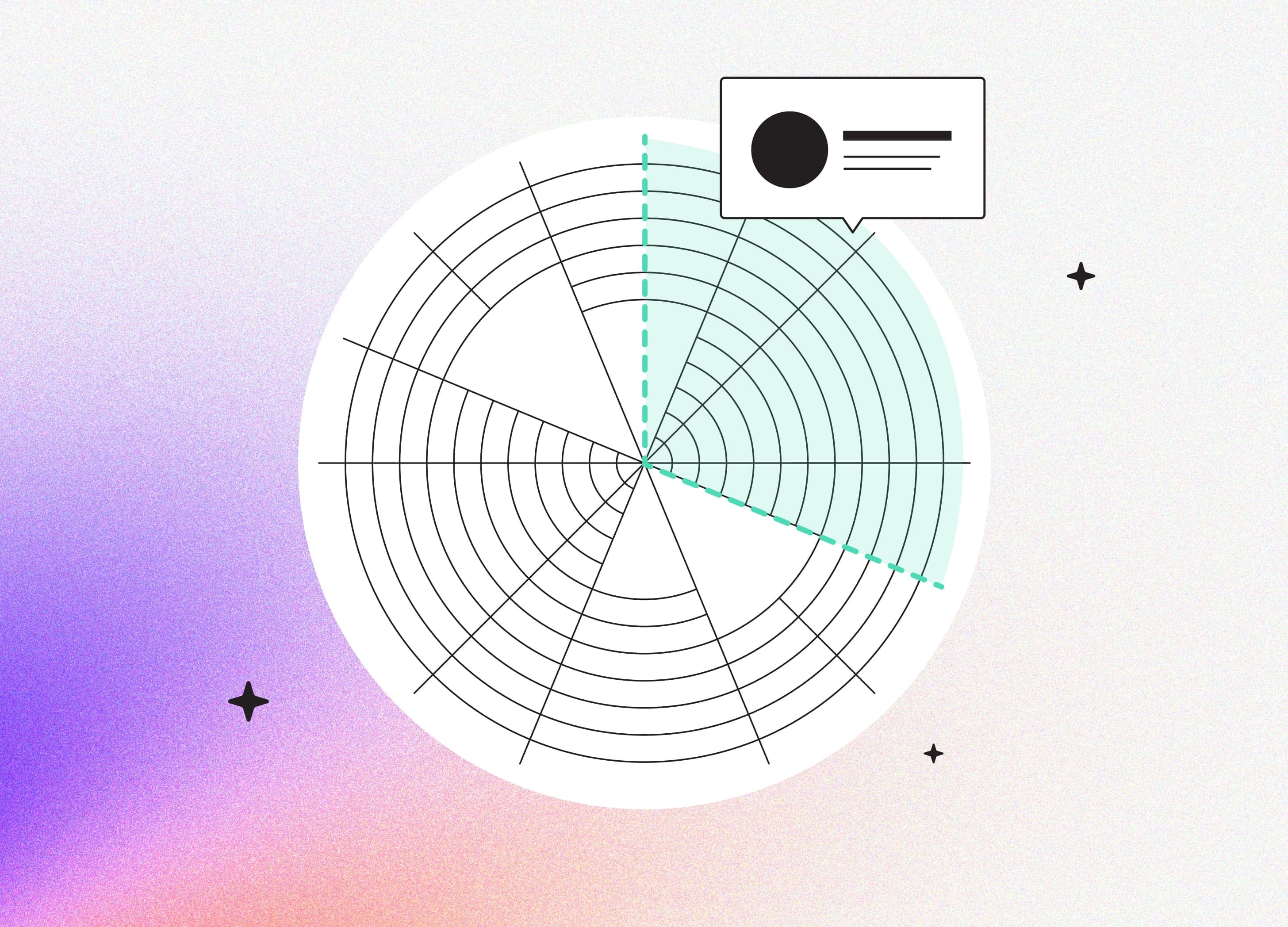
Most buyer intent is invisible.
Someone might read three blog posts, check your pricing page twice, and share your whitepaper in a team Slack channel without ever filling out a form. These actions happen quietly, before anyone becomes a known lead. This is what marketers refer to as the dark funnel.
The dark funnel includes everything buyers do to evaluate your brand before taking obvious action. It is where most real buying decisions begin, yet most of this activity goes untracked. If you cannot see early signs of interest, you are missing opportunities to act at the right time.
In this article, we will cover what the dark funnel is, why it matters, what teams often overlook, and how to start tracking these hidden signals.
The dark funnel is the part of the buying journey that your CRM and attribution tools cannot see. It includes all the anonymous, untagged, or indirect activity that happens early in the research process.
These are signals like:
These actions are not random. They reflect curiosity, research, and the early stages of buying intent. But without a clear way to track and connect these signals, you are flying blind.
Most marketing teams rely on surface-level metrics like email opens, CTRs, and form submissions. These metrics only tell part of the story. If someone never fills out a form, they remain invisible. If your analytics do not connect anonymous visitors to company-level behavior, intent goes unnoticed.
As a result, teams miss critical moments such as:
This lack of visibility causes poor timing, irrelevant outreach, and missed revenue. You send emails when no one is ready, or worse, follow up long after interest has faded.
To make sense of the dark funnel, you need to do two things well: observe behavior across multiple touchpoints, and group that behavior at the account level.
Standard analytics tools show you traffic, bounce rates, and conversions. But they cannot connect anonymous behavior to specific companies. Tools like ClearCue fill this gap by identifying which companies are visiting your site, even if users do not convert. You can see how interest builds across people, sessions, and content types.
This gives you insights like:
With this context, you can prioritize accounts that are showing real interest, even if no one has submitted their email.
Buyers rarely engage on just one platform. They move between email, your website, social media, and even third-party content. To get the full picture, you need to capture:
When this data is unified, it becomes clear which accounts are warming up and which ones are losing interest.
One person reading your blog might be nothing. But if three people from the same company view your pricing page, download a whitepaper, and click a newsletter link in the same week, that is not a coincidence. That is intent.
Look for patterns like:
These signals are often missed because they happen across tools and people. But when grouped, they tell a clear story of interest building inside an account.
Tracking signals is only useful if you act on them. Once you identify a warm account in the dark funnel, you can:
For example, if an account has engaged with integration content and your pricing page, you might trigger a light-touch message offering a tailored demo or use case example. You can also score accounts more accurately by weighting team-wide activity and content depth, not just clicks or opens.
Tracking dark funnel activity is not just about having more data. It is about unlocking better outcomes across your entire go-to-market motion. When you understand how buyer interest builds quietly across content, channels, and people, you can turn passive signals into active opportunities.
Here's how to put that intent data to work:
When you act on intent data at the account level, you stop wasting time on cold leads and start focusing on the companies that are actually in market. That is how you turn hidden signals into real pipeline.
The dark funnel is not a mystery. It is a missed opportunity.
By tracking real behavior across channels and surfacing signals at the account level, B2B marketers can move from guessing to acting with confidence. You no longer have to wait for someone to fill out a form to know they are interested.
Tools like ClearCue help you make sense of this intent, connect scattered data, and turn early interest into pipeline. Start tracking what matters before your competitors do.
Start using Clearcue today and never miss a buying signal again.